


FAQs
Common Questions About Junior Golf
Find answers about getting started, lessons, equipment, camps, competition, and how parents can support a junior golfer's development.
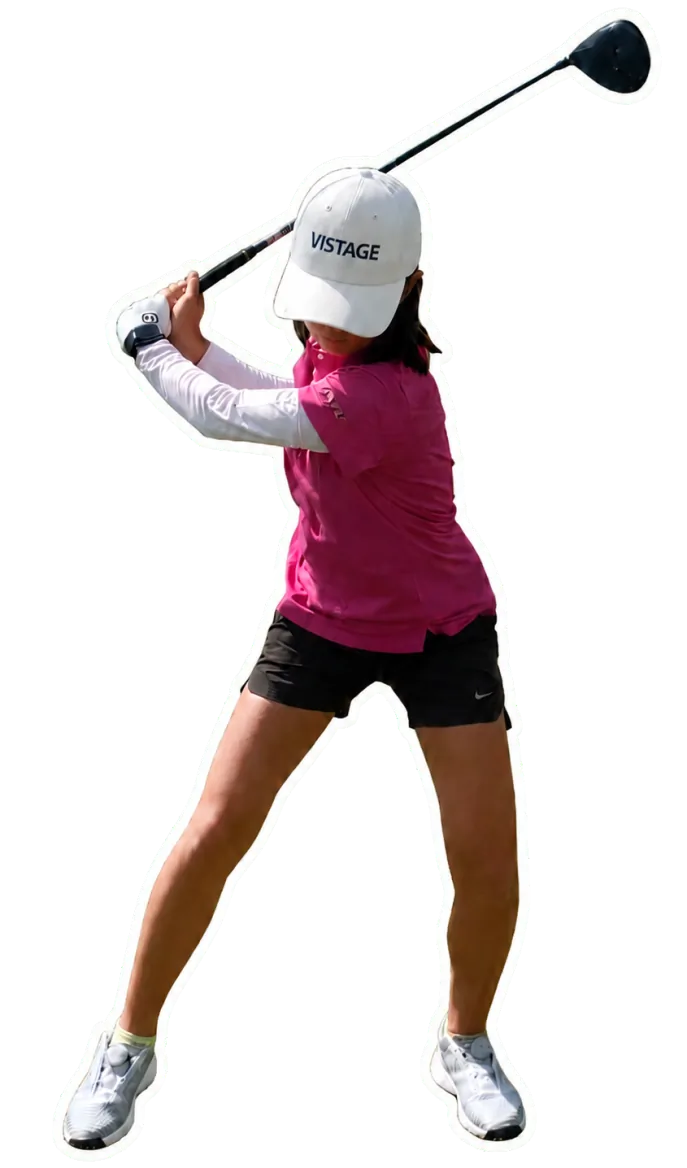
The right time is when your child is emotionally ready and interested in trying the game. Their first experiences should be light, fun, and positive. Avoid pushing golf too early, because the goal is to help them enjoy the game before adding structure or pressure.
A first introduction should feel more like play than formal instruction. Short activities, simple games, putting, chipping, and time around the course can help a child build comfort while keeping the experience positive.
Junior golfers benefit from a strong desire to play, clubs that fit correctly, qualified junior coaching, and parents who are involved without over-coaching. Success comes from the right balance of encouragement, instruction, practice, and enjoyment.
A child may be ready for more structure when they show interest in coming back, listen well during activities, enjoy practicing basic skills, and stay positive even when the game is challenging. Readiness is more about maturity and interest than age alone.
No. Multi-sport athletes often develop better movement skills, coordination, balance, and overall athletic ability. Playing other sports recreationally or competitively can help a junior golfer become a stronger, more dynamic athlete.
In most cases, a trained junior golf coach is a better fit than a parent, family member, or friend serving as the main instructor. A qualified junior coach understands how children learn and can teach golf in a way that matches their age, attention span, and maturity.
Yes. Group sessions are $25 per hour, and private sessions are $55 per hour. Small group and private instruction can help juniors receive more direct feedback while continuing to build confidence.
Parents play an important role in support and encouragement, but constant coaching can make the game feel stressful. It is helpful to know when to step back and let a certified, trained coach guide the technical parts of development.
Look for a coach who is trained to work with kids, has experience with junior golfers, stays positive, communicates clearly, and understands how to develop skills without taking the fun out of the game.
Keep advice limited. A good rule is no more than one comment per hole. Children often improve more naturally when they are allowed to play, explore, make decisions, and enjoy the round without constant correction.
Yes. The clubs do not need to be expensive, but they do need to fit correctly. Clubs that are too long, too heavy, or poorly fitted make it harder for a child to swing consistently and develop sound fundamentals.
New or used clubs can both work well as long as the length and weight are right for your child. Fit matters more than price, especially for younger players who are still growing and learning the basic motion.
Equipment should be checked regularly because kids go through growth spurts. Clubs that fit well one season may be too short, too light, or too restrictive later. Proper equipment helps juniors swing freely and play with more confidence.
Yes. Pine Lake has an indoor golf room with a putting green, short game area, full swing area, and golf simulator. This allows juniors to continue learning and practicing even when the weather does not cooperate.
For more advanced juniors, a fitness screening and personalized fitness program can be helpful. Developing strength, balance, mobility, and coordination can support better movement and long-term golf development.
A junior golf camp is a good way to gauge your child's interest without a major investment. Camps help children learn fundamentals, etiquette, rules, sportsmanship, safety, and how to respect the game in a fun and encouraging environment.
Juniors need both. Practice areas help build fundamentals, but playing on the course teaches scoring, decision-making, and how to apply those fundamentals in real situations.
Too much time on the range can cause juniors to lose interest. Getting on the course helps them test their skills, see what parts of their game need attention, and experience golf as an actual game rather than only a practice routine.
Create games your child has a real chance to win. For example, let them tee off from an appropriate distance so their first shot can land on or near the green. Small wins build confidence and make the game more enjoyable.
When age and course conditions allow, walking is valuable. It helps juniors build strength, learn the rhythm of the course, and develop a more complete understanding of the game than they would by riding from shot to shot.
Competition should come when your child is emotionally ready. Pushing tournaments too early can be discouraging. Light competition is a better starting point, and mental maturity helps juniors handle the pressure and ups and downs of tournament play.
Great performances start with a great attitude. Every golfer hits bad shots. A junior who can stay positive after a difficult hole or stretch of play gives themselves a better chance to recover and keep improving.
Yes, especially as they gain experience. Knowing how far each club carries in the air helps juniors make better decisions on the course. Once those distances are reasonably accurate, a yardage finder can become a useful tool.
A yardage finder is most helpful for experienced juniors who already have a good sense of their club distances. It becomes especially useful when they are learning course management and making more precise shot decisions.
Juniors should keep playing on the course, develop as athletes, work with a qualified coach when appropriate, stay positive, and keep the game enjoyable. Long-term improvement comes from consistent development rather than rushing progress.